

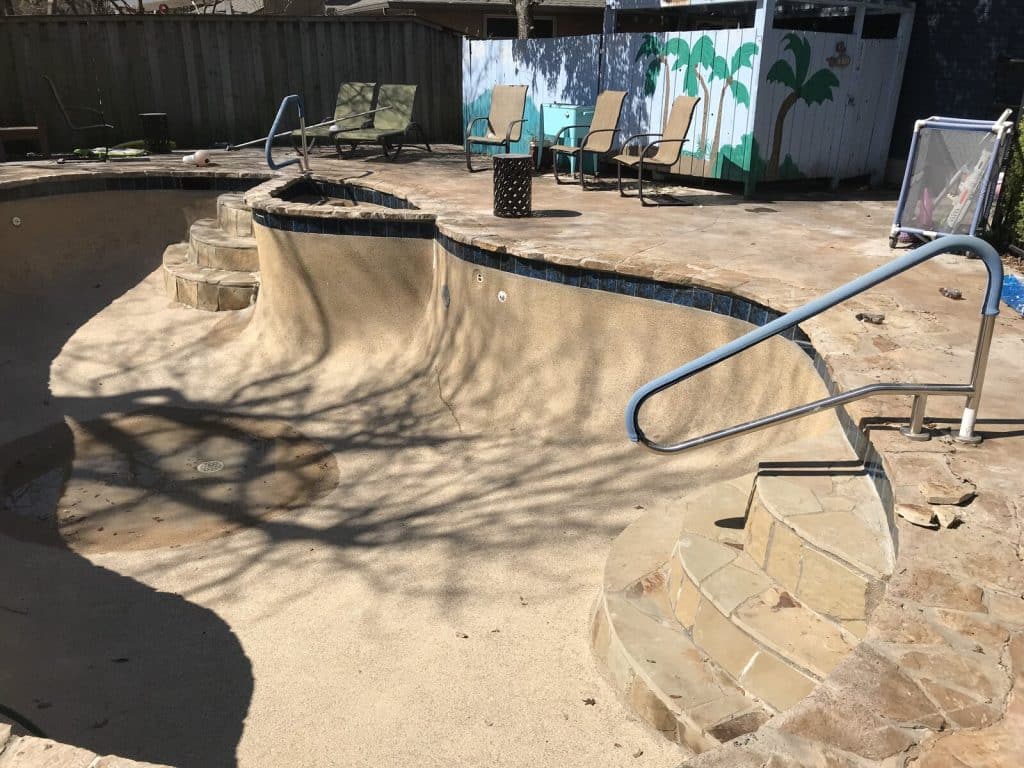
Pool plaster wears out. It is the surface you see and touch, and it is what keeps water away from the concrete shell behind it. When it starts to fail, the pool looks tired, feels rough and gets harder to keep clean. This guide covers six signs it is time for pool replastering in Dallas, what the work involves, and what else makes sense to do while the pool is empty.
Liquidus Pool Services handles pool resurfacing in Dallas on existing pools. If you already know your plaster is done, get a free remodel estimate.
6 signs your pool needs replastering
1. The surface feels rough
New plaster is smooth. Old plaster turns rough as the surface wears away. If the steps and the floor scrape feet and snag swimsuits, the finish is worn.
2. Stains that do not brush or wash out
Some stains come from metals or leaves and can be treated. Stains that return after treatment, or grey patches that spread, usually mean the plaster itself has worn thin.
3. Flaking or peeling plaster
Plaster that comes off in thin flakes, often on steps and in the shallow end, has lost its bond. A pool plaster repair on a few spots can hold for a time. Flaking across the pool means the old finish needs to come off.
4. Cracks you can catch with a fingernail
Fine surface lines are common in older plaster. Wider cracks, or cracks that grow, should be looked at. Some are only in the plaster. Others point to the shell or a leak, and that changes the repair.
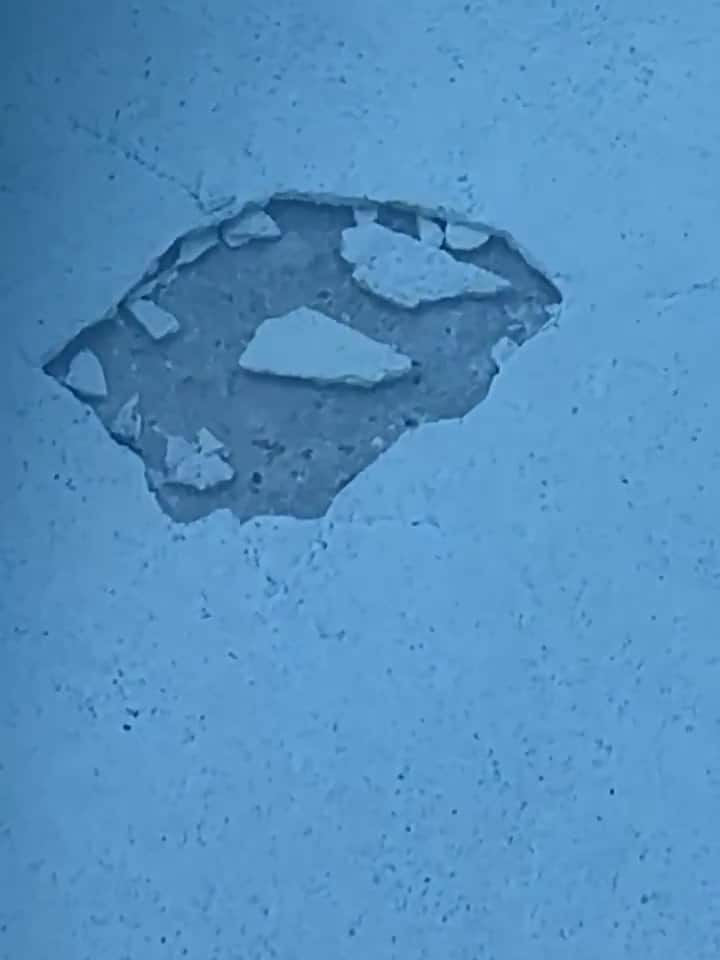
5. Dark spots where the concrete shows through
When plaster wears thin enough, the grey concrete under it shows. At that point the finish is no longer protecting the shell.
6. The water is harder to keep balanced
Worn, rough plaster holds algae and reacts with the water. If the pool needs more brushing and more chemicals than it used to, the surface may be part of the reason.
Why pool plaster wears out in Dallas
Plaster is a cement finish, and pool water slowly works on it. In Dallas three things speed that up: hard fill water that leaves scale, a long swim season with heavy chemical use, and summer heat. Water that sits out of balance for long stretches does the most damage, because it either etches the plaster or coats it in scale.
What pool replastering involves
The pool is drained. The old finish is removed or prepared so the new one bonds. Tile, fittings and the shell are checked while they are exposed. The new plaster is applied and troweled by hand. Then the pool is refilled and the water is balanced carefully over the first weeks, because new plaster cures under water.

Pool plaster replacement: plaster, quartz or pebble
Replastering does not have to mean the same white plaster. The common pool finishes are standard plaster, quartz and pebble. They differ in feel, colour and how they wear. When we look at your pool, we go through the options that fit it.
What to do while the pool is empty
An empty pool is the right time for the work that needs it empty. Homeowners often pair replastering with new waterline tile, new coping or updated lights, so the pool is drained once. See how a full project runs in our guide to pool remodeling in Dallas.

Pool replastering questions
Is pool replastering the same as pool resurfacing?
Most people use the two words for the same job. Resurfacing means any new interior finish. Replastering means the new finish is plaster.
Can pool plaster be patched instead of replaced?
Small, isolated spots can be patched. A patch rarely matches the colour of the old plaster around it, and it does not fix wear across the rest of the pool.
Do I have to drain the pool to replaster it?
Yes. The old surface has to be dry and exposed for the new finish to bond.
How do I make new pool plaster last?
Keep the water balanced, brush the pool often in the first weeks while the plaster cures, and stay on a regular service schedule after that. Balanced water is what protects plaster over the years.
Pool replastering in Dallas
Liquidus Pool Services replasters and resurfaces pools in Dallas and nearby, including Plano, Frisco, Richardson, Highland Park and University Park. Read more about our pool resurfacing service, or start here: